Join our weekly group demo ☕️ ->
Multi-Currency Accounting
Banking
Customers
Pricing
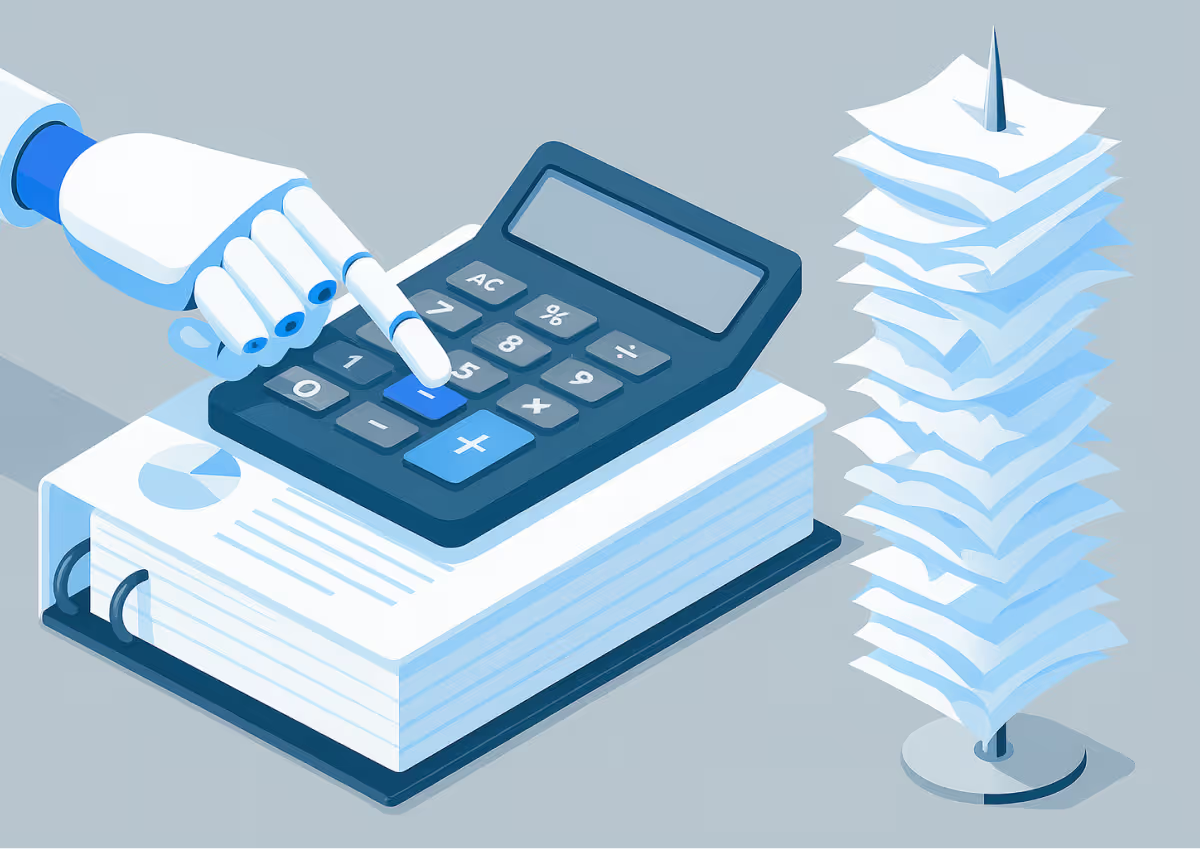
AI in accounting means using powerful software to automate bookkeeping and bank reconciliation, and give valuable insights thanks to advanced analytics.
Complete guide about cloud based accounting software cost - pricing structures, subscription models, user licenses, and hidden costs.
Discover how automated accounting solutions can transform your bookkeeping and financial management. Learn about the key features, benefits, and top tools to help you choose the right platform for your firm.
Dedicated accounting software for CPA firms can guarantee to make your firm more efficient, accurate, offer more comprehensive reporting, without the risks of breaking tax laws or regulations.
Not all AI accounting software is built the same. This guide breaks down the 8 best options available today, what they do well, where they fall short, and which type of firm each one is actually built for.
If you’re still managing your accounting firm the old fashioned way, you’re missing out big time. By using a cloud accounting software you’ll take your firm and finances to the next level. Read more!
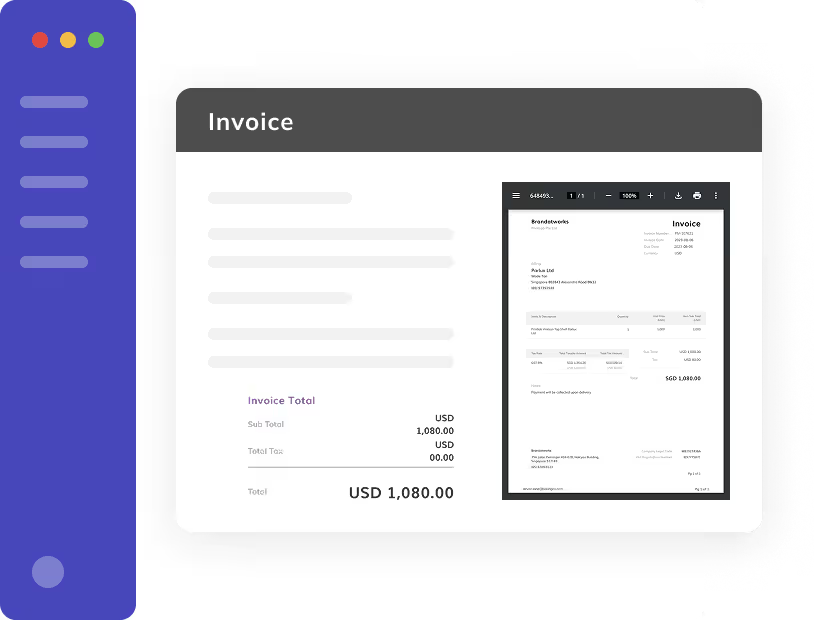
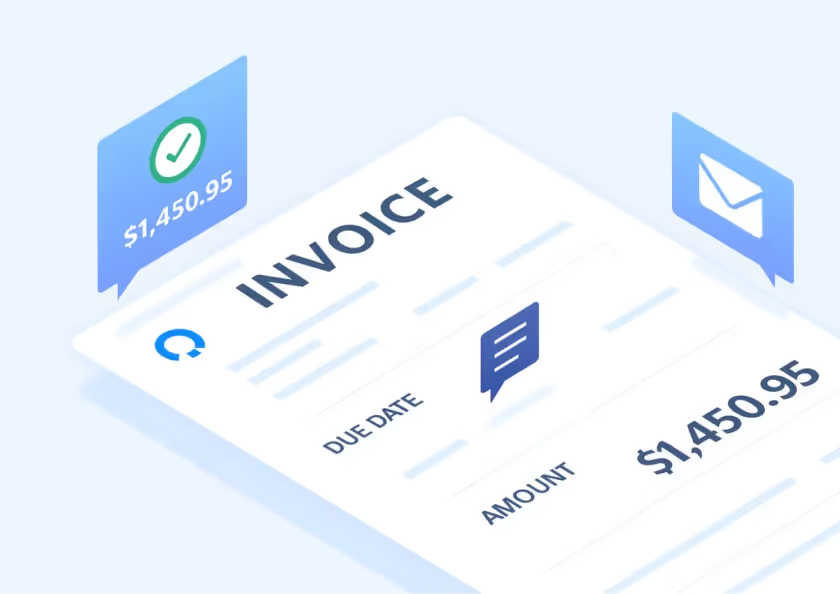
An invoice app is a tool designed to manage your invoices and payments. Some are better for entrepreneurs, some have more advanced features for larger businesses. Find the best invoice app for your business here.
Xero is a cloud accounting platform for small businesses and accountants. Explore its features, pros, cons, pricing, user reviews, and how it compares to Eleven.
In this QuickBook review we breakdown the most popular QuickBooks products and analyze pros and cons to help you decide if it is the right accounting software for you.
If you’re still managing your family office manually, you’re way behind the pack. Your clients will expect that kind of service that only family office accounting software can help you reach. Are you ready?
EBITDA, or earnings before interest, taxes, depreciation, and amortization, is a key financial metric used to assess a company’s operational profitability.
AI in accounting involves the use of different technologies such as machine learning, NLP or OCR to automate tasks, offer deeper insights, and much more.