Cash Accounting: Definition and Current Scene
In accounting, cash accounting is a process in which the transaction is only recorded once its fulfilled. Learn more about its definition.
What is Cash Accounting?
Cash accounting is an accounting method where income and expenses are recorded only when money actually changes hands.
This means a business records revenue when it receives cash and records expenses when it pays cash out.
It’s a simple way to track finances because it reflects the real flow of money, but it doesn’t show money that’s owed or due until the payment is made.
This is different to accrual accounting which records income when it is earned and expenses when they are incurred, even if the cash hasn’t moved yet.
This method gives a more accurate picture of a business’s financial health because it includes money owed and money due.
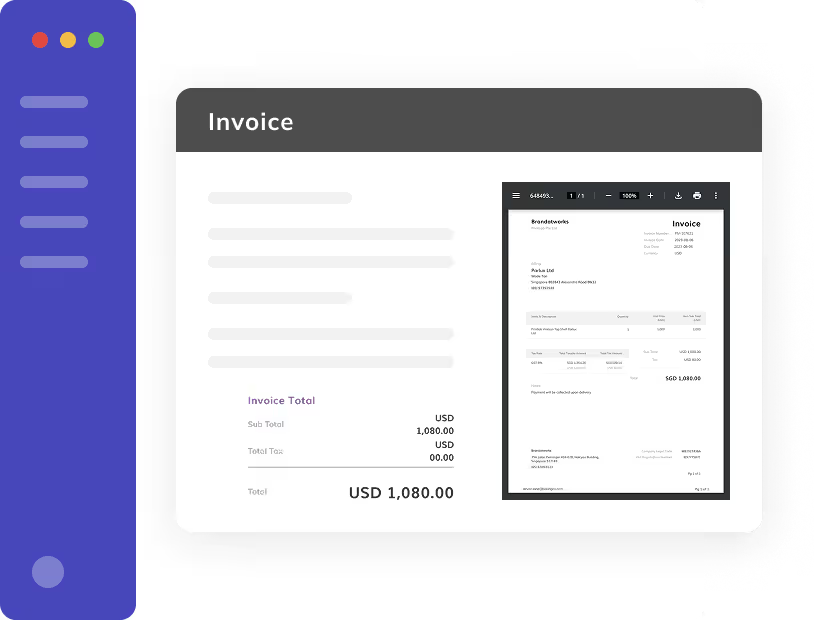
For example, if a company issues an invoice in December but receives payment in January, the revenue will be recognized in January, not December.
Current Relevance of Cash Accounting
While most large organizations are prohibited from using cash accounting, tax authorities in some jurisdictions allow small enterprises to adopt it for ease of compliance.
With digital tools, some businesses even combine cash accounting for tax reporting with accrual accounting for management reporting. This hybrid approach allows them to benefit from the clarity of cash accounting while still meeting professional reporting standards.